
FEATURED
SPONSORED
VERIFIED
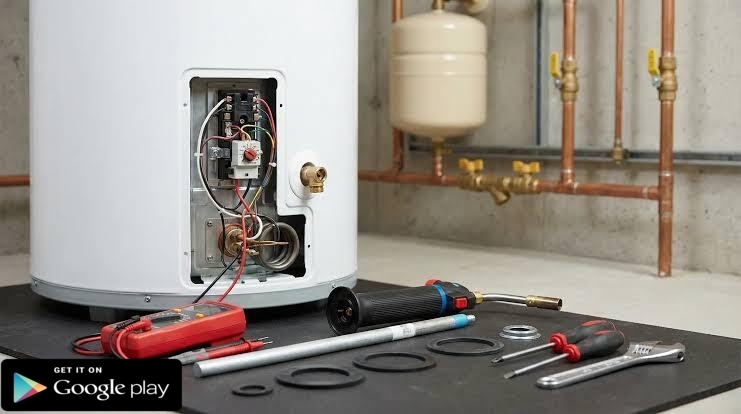
There's rarely a convenient time for a hot water tank to fail. It usually happens on a cold m...
Sherwood Park's Guide to Hot Water Tank Replacement
13 minutes, 48 seconds
-338 Views 0 Comments 0 Likes 0 Reviews
Hot Water Tank Replacement in Sherwood Park: What Homeowners Need to Know
There's rarely a convenient time for a hot water tank to fail. It usually happens on a cold morning, right before guests arrive, or during a busy work week and suddenly a hot shower feels like a luxury. If you're a homeowner in Sherwood Park dealing with a sputtering, leaking, or aging water heater, you're not alone. Hot water tanks typically last 8 to 12 years, and a huge number of homes in the area were built or renovated during periods that put many local tanks right around that age today.
This guide walks you through everything you need to know about hot water tank replacement in Sherwood Park from spotting the warning signs, to understanding your options, to what a professional installation should actually involve. Whether you're dealing with an emergency or just planning ahead, you'll leave with a clear picture of what to expect and how to make a confident decision.
Why Hot Water Tank Replacement Matters More Than You Think
A water heater isn't just an appliance sitting quietly in your basement or utility closet it's a pressurized vessel holding gallons of hot water, connected to your home's electrical or gas supply. When it starts to fail, the risks go beyond a cold shower. Corroded tanks can leak and cause water damage to flooring, drywall, and personal belongings. In rare but serious cases, a failing pressure relief valve or gas line issue can create a genuine safety hazard.
That's why hot water tank replacement isn't a task to put off indefinitely once your unit shows signs of wear. Acting early before a full failure gives you time to compare options, choose the right size and type of tank, and schedule the work at a time that suits you, rather than scrambling during an emergency.
Signs Your Hot Water Tank Needs Replacing
Not every issue calls for a full replacement. Sometimes a minor repair, like replacing a heating element or anode rod, will do. But certain signs point clearly toward needing a new unit rather than a patch job:
1. Age of the Tank
Most conventional tank-style water heaters are built to last roughly 8–12 years. Check the manufacture date on the manufacturer's sticker (often encoded in the serial number). If your tank is approaching or past this range, replacement should be on your radar even if it's still technically working.
2. Rusty or Discolored Water
If hot water coming from your taps looks rusty or has a metallic smell, especially when cold water runs clear, this often signals internal corrosion in the tank itself not just the pipes.
3. Rumbling or Popping Noises
Sediment builds up at the bottom of a tank over years of use. As it hardens, it can cause rumbling, popping, or knocking sounds during heating cycles. This buildup reduces efficiency and shortens the tank's lifespan.
4. Water Pooling Around the Base
Any visible moisture or pooling around the tank could indicate a crack in the tank itself, which cannot be repaired. This is one of the clearest signs that replacement not repair is necessary.
5. Inconsistent Hot Water Supply
If you're noticing lukewarm water, hot water that runs out faster than it used to, or unpredictable temperature swings, your tank's heating components or capacity may no longer meet your household's needs.
Choosing the Right Replacement: Tank vs. Tankless
When it's time to replace your unit, Sherwood Park homeowners generally choose between two main paths:
Conventional Tank Water Heaters
-
Lower upfront cost
-
Simple, well-understood technology
-
Available in gas and electric models
-
Straightforward installation in most homes already set up for a tank system
Tankless (On-Demand) Water Heaters
-
Higher upfront investment
-
Heats water only as needed, which can reduce standby energy loss
-
Compact footprint, useful in smaller utility spaces
-
Longer lifespan when properly maintained, often 15–20 years
Neither option is universally "better" it depends on your household's hot water usage, budget, available space, and existing gas or electrical setup. A qualified plumber can walk through your specific situation and recommend sizing (measured in gallons for tanks, or flow rate for tankless units) that matches your home.
What a Professional Hot Water Tank Replacement Involves
A proper installation is about more than swapping one tank for another. Here's what a thorough job typically includes:
-
Assessment of the existing setup checking gas lines, venting, electrical connections, and the water supply to determine compatibility with the new unit.
-
Permit and code compliance in Alberta, water heater installations generally require adherence to local plumbing and gas codes, and in many municipalities, a permit.
-
Safe removal and disposal of the old tank, including draining and disconnecting it properly.
-
Installation of the new tank, including updated shut-off valves, a properly functioning pressure relief valve, and correct venting for gas units.
-
Testing for leaks, proper temperature calibration, and pressure relief function before the job is considered complete.
This is also a natural point at which many homeowners address related plumbing concerns at the same time since a plumber is already on-site working with your home's water and gas lines.
Related Plumbing Considerations Sherwood Park Homeowners Should Know About
Hot water tank replacement often comes up alongside other plumbing concerns common in older homes across the Edmonton region, including Sherwood Park:
-
Poly-B pipe replacement: Homes built between the 1970s and mid-1990s may still have Poly-B (polybutylene) piping, which is prone to becoming brittle and failing over time. If your home has Poly-B and you're already having plumbing work done, it's worth asking your plumber to inspect it.
-
Backwater valves: Alberta municipalities have increasingly encouraged or required backwater valves to help protect homes from sewer backup during heavy rain events. If you don't have one installed, a plumbing visit is a good time to ask about it.
-
Sewer line condition: Aging clay or cast-iron sewer lines can develop cracks or root intrusion over time. A plumber performing tank replacement can often flag early warning signs if there are related drainage issues in your home.
Bundling these considerations into one conversation with your plumber rather than addressing them piecemeal can save both time and future disruption to your home.
A Real-World Scenario: When a Small Leak Becomes a Bigger Decision
Consider a fairly typical situation: a homeowner notices a small puddle near the base of their water heater one morning. At first, it seems minor maybe just condensation. But over the following days, the puddle reappears, and a faint metallic smell shows up in the hot water. This pattern (age of the unit, visible moisture, and water discoloration together) is a strong signal that the tank itself has developed an internal crack rather than a simple valve leak.
In situations like this, waiting rarely pays off. A tank that has started leaking from a crack in the vessel wall won't seal itself it will continue to worsen, often unpredictably, until it fails more significantly. Homeowners in this position are almost always better served by scheduling a replacement promptly rather than hoping the issue resolves on its own.
Pros and Cons of Replacing vs. Repairing
|
Consideration |
Repair |
Replace |
|
Cost |
Lower short-term cost |
Higher upfront cost, but avoids repeat repairs |
|
Best for |
Tanks under 6–7 years old with a single component issue |
Tanks nearing or past 8–10 years, or showing corrosion/leaks |
|
Long-term value |
Can be a temporary fix |
Often more cost-effective over time |
|
Risk |
Possible recurring issues |
Lower risk of unexpected failure |
Frequently Asked Questions
How long does a hot water tank replacement take? Most standard tank-to-tank replacements can be completed in a single day, often within a few hours, assuming there are no complications with venting, gas lines, or code upgrades.
Can I replace my hot water tank myself? It's strongly discouraged. Water heaters involve gas or high-voltage electrical connections, pressurized water lines, and code requirements. Improper installation can create safety hazards and may void manufacturer warranties or violate local code.
How do I know what size tank I need? Sizing depends on household size, number of bathrooms, and typical hot water usage patterns (like simultaneous showers or large tub fills). A plumber can recommend an appropriately sized tank or tankless unit based on your household's needs.
Is a tankless water heater worth the extra cost? For households with high or consistent hot water demand, and where long-term energy savings and lifespan outweigh the higher upfront cost, tankless units can be a strong investment. For smaller households or budget-conscious replacements, a conventional tank may make more sense.
Do I need a permit to replace a hot water tank in Alberta? In most municipalities, yes plumbing and/or gas permits are typically required for water heater installations to ensure the work meets safety codes. A licensed plumber will usually handle this as part of the job.
Conclusion: Don't Wait for a Full Failure
A failing hot water tank rarely announces itself with a single dramatic moment it usually gives warning signs first: age, rust-colored water, strange noises, or a small leak. Recognizing these signs early gives you the power to plan a hot water tank replacement in Sherwood Park on your own timeline, rather than dealing with a flooded utility room or a cold shower on a Monday morning.
Whether you're comparing conventional tanks and tankless units, wondering about Poly-B piping, or simply want a professional opinion on your current system's condition, the right move is to have a qualified, licensed plumber assess your home's specific setup.
Have questions about your hot water tank, or noticing any of the warning signs above? Reach out to a local, licensed plumbing professional for an assessment and feel free to share this guide with a neighbor or family member who might be dealing with the same aging tank. A little planning now can save a lot of hassle later.
hot water tank replacement sherwood park hot water tanks sherwood park Poly-B replacement Edmonton backwater valve edmonton Core Edmonton plumber edmonton sewer line replacement commercial sewer repair edmonton

Photos

