
FEATURED
SPONSORED
VERIFIED
Related Blogs


Medication Storage and Preservation Guide: Proper Storage Requirements for Different Medicines and Specialty Drugs
14 minutes, 38 seconds
-3 Views 0 Comments 0 Likes 0 Reviews
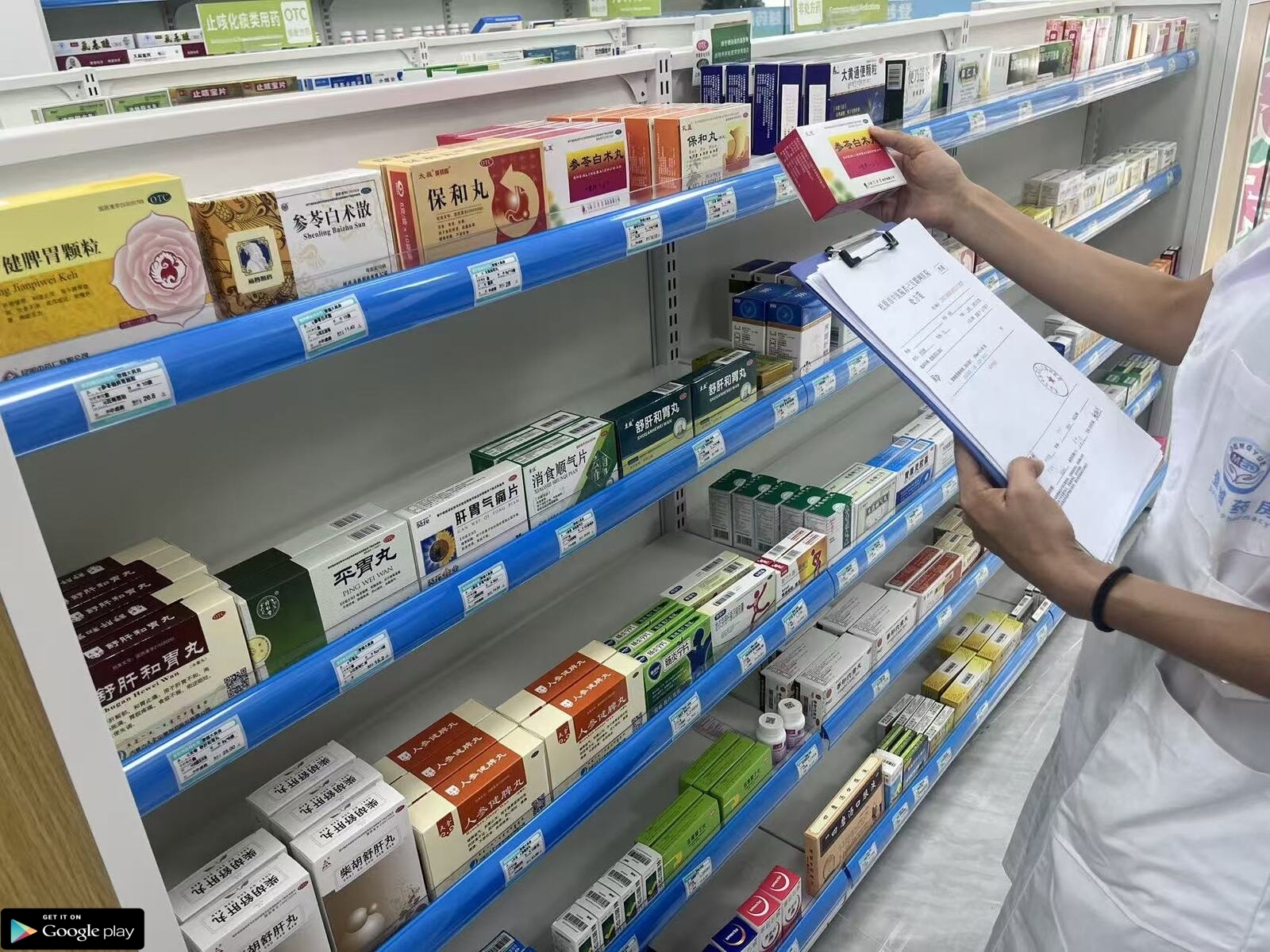
Purchasing medication is only the first step in the medication-use process. From manufacturing and warehousing to transportation, delivery, and storage at home, medicines may pass through multiple stages before they are finally used. Throughout this process, maintaining appropriate storage conditions is essential for preserving the quality and stability of many pharmaceutical products.
Temperature, humidity, light exposure, packaging conditions, and storage duration can all affect certain medicines. This is particularly important for prescription medicines, specialty drugs, biologics, and other products that require specific temperature or environmental controls.
With the growing use of online pharmacies and international pharmaceutical supply services, more consumers are obtaining medicines through online channels. Unlike ordinary consumer products, medicines often have specific storage requirements that should be followed carefully after delivery.
This guide explains the key principles of medication storage, including room-temperature medicines, refrigerated products, light- and moisture-sensitive medicines, post-delivery checks, and special considerations for medicines with complex storage requirements.
Why Is Proper Medication Storage Important?
Every medicine is developed and manufactured with specific stability characteristics. Based on its active ingredients, formulation, dosage form, and stability profile, a pharmaceutical product may be assigned specific storage conditions.
The packaging and prescribing information may specify requirements such as temperature limits, protection from light, moisture control, refrigeration, or other environmental conditions.
When a medicine is exposed to unsuitable conditions for an extended period, such as excessive heat, humidity, direct sunlight, freezing temperatures, or repeated temperature fluctuations, its stability may potentially be affected.
For this reason, the expiration date is not the only factor consumers should consider. The stated expiration date generally applies when the medicine has been stored under the conditions specified by the manufacturer.
When storing medicines, consumers should pay attention to:
● Recommended storage temperature;
● Whether refrigeration is required;
● Whether the medicine needs protection from light;
● Whether it should be kept in a dry environment;
● Special requirements after opening;
● Whether there is a specific period for use after opening.
The most important principle is simple: always follow the storage instructions provided on the medicine's packaging and official product information.
Storage requirements can vary significantly between medicines, even when they have similar dosage forms. Consumers should therefore avoid changing storage conditions based solely on personal experience or assumptions.
How Should Room-Temperature Medicines Be Stored?
Many tablets, capsules, and certain oral medicines can be stored at room temperature when maintained within the temperature range specified by the manufacturer.
However, room-temperature storage does not mean that medicines can be placed anywhere indoors.
In general, medicines should be stored in a cool, dry, stable environment away from direct sunlight and heat sources.
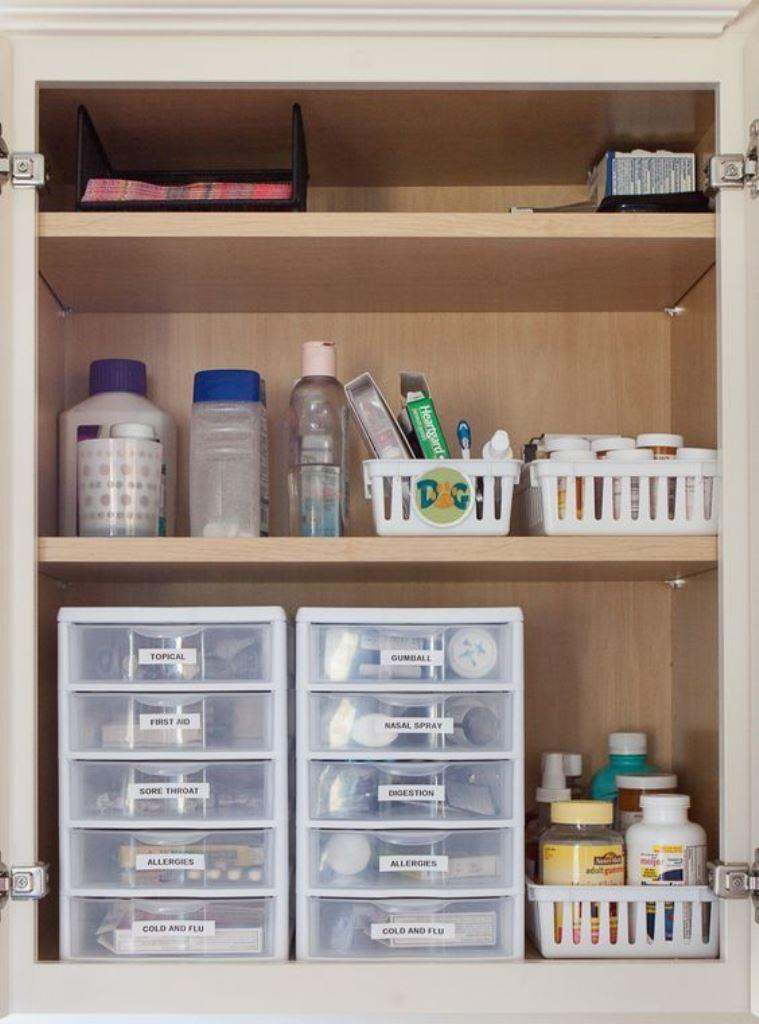
A dedicated medicine cabinet or another suitable storage area may be appropriate in the home. Medicines should generally not be stored for long periods in places such as:
● Bathrooms or other areas with high humidity;
● Kitchen areas close to stoves or heat sources;
● Window sills exposed to direct sunlight;
● Inside vehicles;
● Areas exposed to excessive heat;
● Locations easily accessible to children.
Temperature can become particularly important during hot weather. In regions with high ambient temperatures, indoor conditions may exceed the recommended storage range for certain medicines. If a product specifies a maximum storage temperature, the actual storage environment should be considered carefully.
Medicines should also generally remain in their original packaging unless there is a specific and appropriate reason to transfer them. Original packaging can protect the product while also providing important information such as the medicine name, strength, batch number, expiration date, and storage instructions.
Refrigerated Medicines: Cold Storage Does Not Mean Freezing
Certain biologic medicines, insulin products, and other temperature-sensitive pharmaceuticals may require refrigeration within a specified temperature range.
When receiving a refrigerated medicine, consumers should first review the storage instructions on the packaging and product information and then place the medicine under the required conditions as soon as reasonably possible.
An important distinction should be made between refrigeration and freezing.
A medicine that requires refrigeration should not automatically be placed in a freezer. Freezing may affect the stability of certain medicines and can make a product unsuitable for use.
Consumers should also avoid unnecessary temperature fluctuations. Repeatedly removing a temperature-sensitive medicine from refrigeration, leaving it at room temperature for extended periods, and then returning it to the refrigerator may not be appropriate.
For medicines requiring controlled refrigeration, the storage location inside the refrigerator should also be selected carefully. Areas with greater temperature fluctuations, such as the refrigerator door, may not be ideal for certain temperature-sensitive products.
At the same time, not every medicine should be refrigerated. Some products are specifically intended to be stored at room temperature. Placing such medicines in a refrigerator does not necessarily improve their stability and may introduce inappropriate temperature or moisture conditions.
Therefore, refrigeration should only be used when specifically required by the medicine's storage instructions.

The Importance of Protecting Medicines From Light and Moisture
Temperature is only one factor affecting medication storage. Light exposure and humidity can also be important for certain pharmaceutical products.
Some medicines are sensitive to light and require protection from direct or strong light. When the original packaging provides protection from light, it is generally preferable to keep the medicine in that packaging.
Humidity can also affect certain medicines, particularly products that are sensitive to moisture. For this reason, medicines should generally not be stored in bathrooms or other environments with consistently high humidity.
Packaging integrity is another important consideration. Pharmaceutical packaging is designed not only to protect the medicine but also to provide essential product information.
If packaging is significantly damaged, wet, broken, or appears to have been improperly opened, the product should be evaluated before use.
Consumers should also avoid mixing different medicines in unlabelled containers. Keeping medicines identifiable by name, strength, and expiration date can help reduce the risk of confusion during long-term medication management.
What Should You Check When Receiving Medicines Purchased Online?
For medicines purchased through an online pharmacy, delivery is an important transition point between pharmaceutical supply and home storage.
After receiving a medicine, consumers should first inspect the external packaging. Look for signs of significant damage, crushing, moisture exposure, leakage, or unusual opening.
The medicine should then be checked against the order and, where applicable, the prescription. Important details include the medicine name, strength, dosage form, and quantity.
For prescription medicines, the product should correspond to the prescription provided by the healthcare professional. Consumers should not independently substitute medicines or change the prescribed dosage or administration schedule.
The expiration date should also be checked.
Finally, consumers should review the storage requirements stated on the packaging or in the product information. This is particularly important for medicines that require refrigeration or other controlled conditions.
If a product appears damaged, or if there is uncertainty about whether required storage conditions were maintained during transportation, consumers should seek advice from a pharmacist, healthcare professional, or the relevant medicine supplier before using the product.
Special Considerations After Opening a Medicine
Storage requirements may change after a medicine is opened.
Some products may require additional protection from light or moisture after opening. Certain medicines may also need to be refrigerated after opening or used within a specified period.
Therefore, the expiration date printed on the package should not automatically be interpreted as the maximum period during which an opened product can be used.
If the product information provides a specific post-opening storage condition or usage period, those instructions should be followed.
Maintaining the original packaging can also be useful because it allows consumers to continue accessing important information about the medicine.
Regularly reviewing medicines at home is another useful practice. Consumers can check expiration dates, packaging condition, storage conditions, and remaining quantities as part of routine medication management.
Medicines that have expired, have visibly damaged packaging, or have been stored under uncertain conditions should not simply be used based on appearance alone.
Why Specialty Medicines Require Greater Attention to the Supply Chain
For many standard oral medicines, appropriate home storage may be relatively straightforward. However, specialty medicines, biologics, innovative medicines, and other products with specific environmental requirements can involve more complex supply and distribution processes.
A pharmaceutical product may pass through several stages:
Procurement → Warehousing → Packaging → International Transportation → Customs Clearance → Delivery → Patient Storage
When a medicine has specific temperature requirements, maintaining appropriate conditions throughout this chain becomes particularly important.
This is why consumers should consider more than price or delivery speed when selecting a pharmaceutical supply channel.
For specialty medicines, factors such as product information, sourcing, packaging, transportation conditions, supply-chain management, and customer support can also be important considerations.
This is particularly relevant for international pharmaceutical distribution, where medicines may travel considerable distances and pass through different logistics environments before reaching the end user.
DengYue RX: Supporting Pharmaceutical Supply and Professional Service
As an international pharmaceutical supply service platform, DengYue Online Pharmacy focuses not only on medicine procurement but also on the broader process of providing pharmaceutical products and relevant information to international customers.
For prescription medicines, specialty drugs, innovative medicines, and products with specific supply requirements, customers need access to clear product information before purchasing. After receiving their medicines, they also need to understand and follow the appropriate storage conditions.
DengYueRX is committed to providing convenient pharmaceutical procurement services for international customers while emphasizing clear product information and a structured supply process.
For patients and consumers who require long-term medication, obtaining the medicine is only one part of the overall process. Proper storage, adherence to healthcare professional guidance, awareness of expiration dates, and appropriate medication management are equally important.
Conclusion
Proper medication storage is an important part of responsible medicine management. Different pharmaceutical products can have very different requirements regarding temperature, humidity, light exposure, packaging, and post-opening storage.
Consumers should always review the storage instructions provided with their medicines and maintain the recommended conditions. For medicines purchased through online or international channels, it is also important to inspect the package upon delivery, verify the product information, check the expiration date, and pay particular attention to medicines requiring controlled storage conditions.
For individuals who regularly use prescription or specialty medicines, choosing a reliable pharmaceutical supply channel and establishing appropriate medication storage practices can contribute to better overall medication management.
Purchasing the right medicine is only the beginning. Proper storage is an essential step in maintaining the quality and integrity of pharmaceutical products throughout their intended use.
DengYueRX will continue to focus on pharmaceutical supply and professional information services, helping international customers access medicines through a more transparent, structured, and convenient supply process.

Photos

