
FEATURED
SPONSORED
VERIFIED
Related Blogs


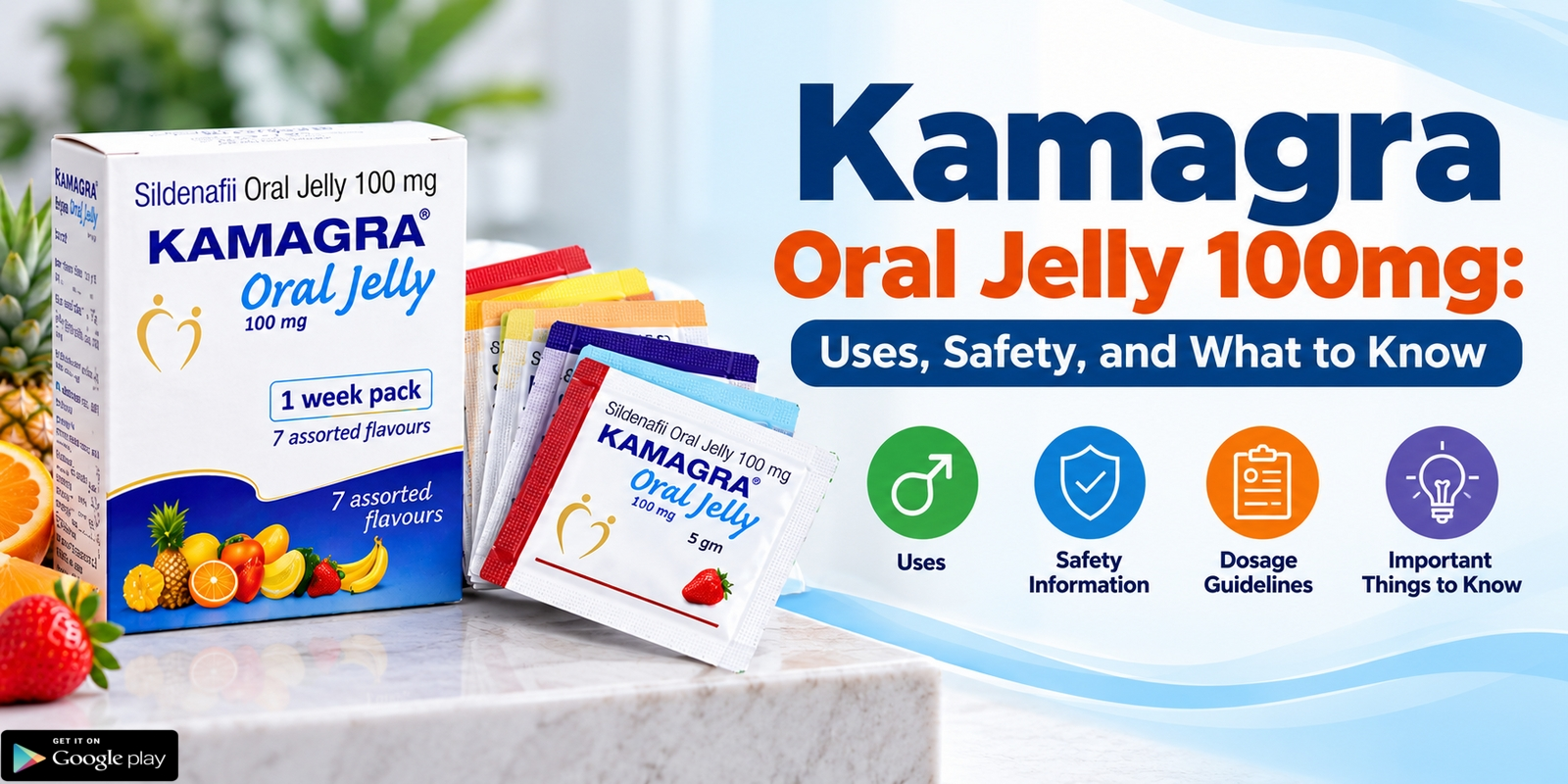
Kamagra Oral Jelly 100mg: Uses, Safety, and What to Know
5 minutes, 42 seconds
-26 Views 0 Comments 0 Likes 0 Reviews
Kamagra Oral Jelly 100mg is a product marketed for erectile dysfunction (ED), a condition in which a man has difficulty achieving or maintaining an erection sufficient for sexual activity. It is commonly advertised as an oral jelly formulation containing sildenafil, the same active ingredient used in certain prescription medicines for erectile dysfunction.
However, it is important to understand its potential uses, safety concerns, possible side effects, and regulatory status before considering this product. Products sold online under the Kamagra name may not have reliable quality or verified ingredients.
What Is Kamagra Oral Jelly 100mg?
Kamagra Oral Jelly is marketed as a jelly-based product intended to help men experiencing erectile dysfunction. It is advertised as containing sildenafil citrate, which belongs to a group of medicines called phosphodiesterase type 5 (PDE5) inhibitors.
Sildenafil works by increasing blood flow to the penis during sexual stimulation. It does not automatically cause an erection and does not increase sexual desire.
The safety and quality of any particular Kamagra product depend on whether its ingredients, strength, manufacturing standards, and source can be verified.
What Is Kamagra Oral Jelly Used For?
Kamagra Oral Jelly is primarily marketed for erectile dysfunction. Medically approved sildenafil products may help men who have difficulty achieving or maintaining an erection.
However, Kamagra Oral Jelly itself may not be an approved medicine in your country. Its effectiveness and safety should not be assumed simply because it is advertised as containing sildenafil.
Erectile dysfunction can sometimes be associated with diabetes, cardiovascular disease, hormonal problems, stress, or other health conditions. A healthcare professional can help identify the underlying cause and recommend an appropriate treatment.
How Does Sildenafil Work?
Sildenafil helps relax blood vessels and improve blood flow to the penis during sexual stimulation. It supports the body's natural erection process but does not produce an erection without sexual arousal.
It is not a treatment for premature ejaculation, infertility, or low sexual desire.
Possible Side Effects
Sildenafil can cause side effects, including:
- Headache
- Facial flushing
- Indigestion
- Nasal congestion
- Dizziness
- Visual disturbances
Seek urgent medical attention if you experience chest pain, sudden loss of vision or hearing, or an erection lasting more than four hours.
Important Safety Precautions
Kamagra Oral Jelly should not be treated as risk-free. Products obtained from unverified online sellers may contain incorrect doses, undeclared ingredients, or contaminants.
Sildenafil can interact dangerously with nitrate medicines used for chest pain, such as nitroglycerin, and with recreational nitrites known as poppers. It may also be unsuitable for some people with heart conditions, low blood pressure, or certain other medical conditions.
Do not combine erectile dysfunction medicines or use sildenafil without appropriate medical advice. If you experience chest pain after taking a sildenafil-containing product, seek emergency care and tell medical professionals what you have taken. Do not take nitrates yourself.
Is Kamagra Oral Jelly Approved?
Regulatory approval varies by country. Kamagra products have not been approved by the US Food and Drug Administration (FDA), and their sale may be restricted or unlawful in some markets.
In India, check the product's authorization and source with a qualified pharmacist or healthcare professional. Do not assume that a product is genuine or legally approved because it is available on a website or through a seller.
A regulator-approved sildenafil medicine obtained from a licensed pharmacy is generally a safer option than an unverified product.
What Should You Know Before Using It?
Before considering any sildenafil-containing product:
- Consult a qualified healthcare professional.
- Disclose your current medicines and existing health conditions.
- Avoid products with uncertain ingredients or manufacturing sources.
- Follow the instructions for an approved medicine prescribed for you.
- Seek medical attention for serious or persistent side effects.
Conclusion
Kamagra Oral Jelly 100mg is marketed as a treatment for erectile dysfunction, but the quality, authenticity, and regulatory status of individual products may be uncertain. Sildenafil can be effective for erectile dysfunction when used appropriately, but it can also cause side effects and dangerous drug interactions.
Understanding the risks and consulting a qualified healthcare professional are important steps toward choosing a safe, evidence-based treatment.

Photos

