
FEATURED
SPONSORED
VERIFIED
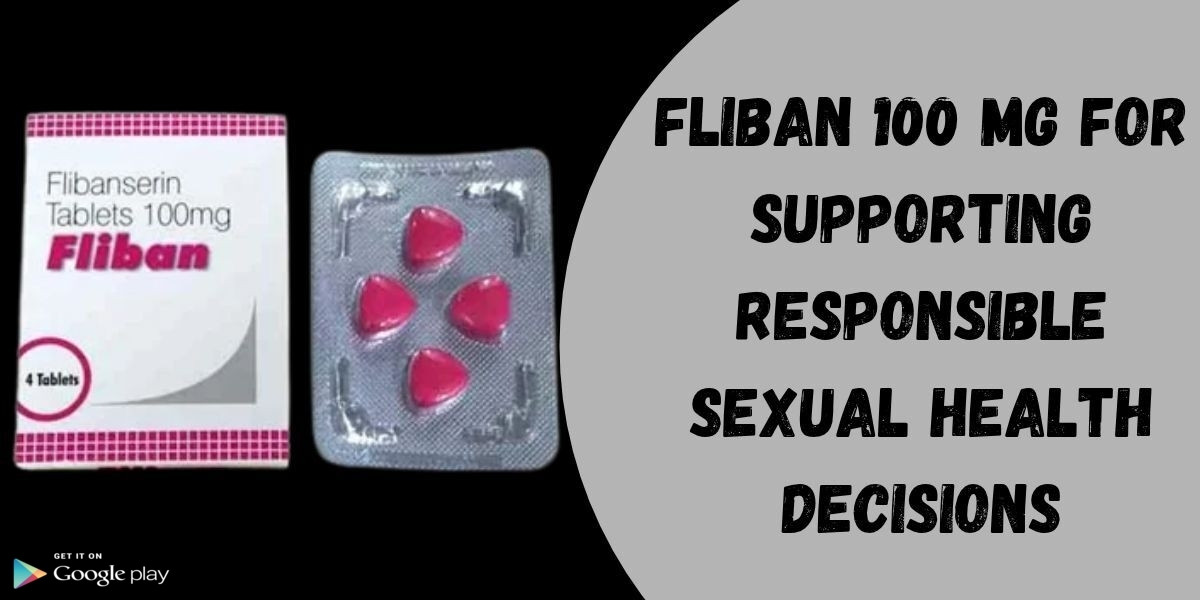
Sexual health is an important part of overall well-being, but changes in sexual desire can have many possible causes. Stress, relationship concerns, certain medicines, medical condit...
Related Blogs


Fliban 100 Mg for Supporting Responsible Sexual Health Decisions
4 minutes, 42 seconds
-10 Views 0 Comments 0 Likes 0 Reviews
Sexual health is an important part of overall well-being, but changes in sexual desire can have many possible causes. Stress, relationship concerns, certain medicines, medical conditions, hormonal changes, and psychological factors Fliban 100 all influence sexual interest. For people experiencing persistent, distressing low sexual desire, discussing the problem with a healthcare professional can help identify appropriate treatment options.
One prescription treatment that may be considered for certain women is flibanserin 100 mg, commonly known by the brand name Addyi. It is important to understand that flibanserin is not intended simply to increase sexual performance. Its approved use is for specific patients with hypoactive sexual desire disorder (HSDD), and responsible use begins with determining whether the medicine is appropriate for the individual.
What Is Fliban 100 Mg?
Flibanserin is a prescription medicine that affects certain chemical signaling pathways in the brain. It is used to treat acquired, generalized HSDD in eligible women before menopause when low sexual desire causes significant distress or interpersonal difficulty and is not primarily explained by another medical or psychiatric condition, relationship problems, or a medication or drug.
This distinction matters. Occasional changes in libido do not necessarily indicate HSDD, and medication should not be viewed as a general-purpose sexual enhancer. A healthcare professional can assess symptoms, medical history, medications, and other possible contributors before recommending treatment.
How Can It Support Sexual Health Decisions?
Responsible sexual healthcare involves understanding the reason behind a concern rather than treating a symptom without evaluation. Low desire can sometimes be associated with depression, anxiety, chronic health problems, fatigue, pain, relationship difficulties, or medication-related sexual side effects. Addressing these factors may be an important part of improving sexual well-being.
For an appropriate patient, flibanserin may provide one treatment option. Clinical research has found benefits in some women with HSDD, including improvements in reported sexual desire and reductions in distress, although the benefit is not necessarily the same for everyone.
Using Fliban 100 Mg Responsibly
The commonly prescribed dose is Fliban 100 Mg once daily at bedtime. Taking it during waking hours can increase the risk of low blood pressure, fainting, accidental injury, and central nervous system depression such as sleepiness or sedation. Patients should follow their prescriber's specific instructions rather than changing the dose themselves.
If a bedtime dose is missed, the prescribing information advises skipping it and taking the next dose at the usual bedtime rather than doubling the dose. Treatment should also be reassessed if symptoms do not improve after the recommended evaluation period.
Safety and Possible Side Effects
Flibanserin requires careful attention to safety. Possible adverse effects include dizziness, sleepiness, fatigue, nausea, and low blood pressure. Fainting can also occur, particularly in situations involving certain interactions.
Alcohol is particularly important because taking flibanserin close to alcohol consumption can increase the risk of severe hypotension and fainting. The FDA prescribing information also identifies certain moderate or strong CYP3A4 inhibitors and hepatic impairment as important contraindications.
Because interactions can involve prescription medicines, over-the-counter products, and supplements, patients should provide their healthcare professional with a complete list of everything they take.
Conclusion
Medication is only one part of responsible sexual healthcare. A healthcare professional may investigate hormonal or medical factors, review current medicines, and consider psychological or relationship issues. Counseling or sex therapy may also be useful when emotional or interpersonal factors contribute to low desire.

Photos

