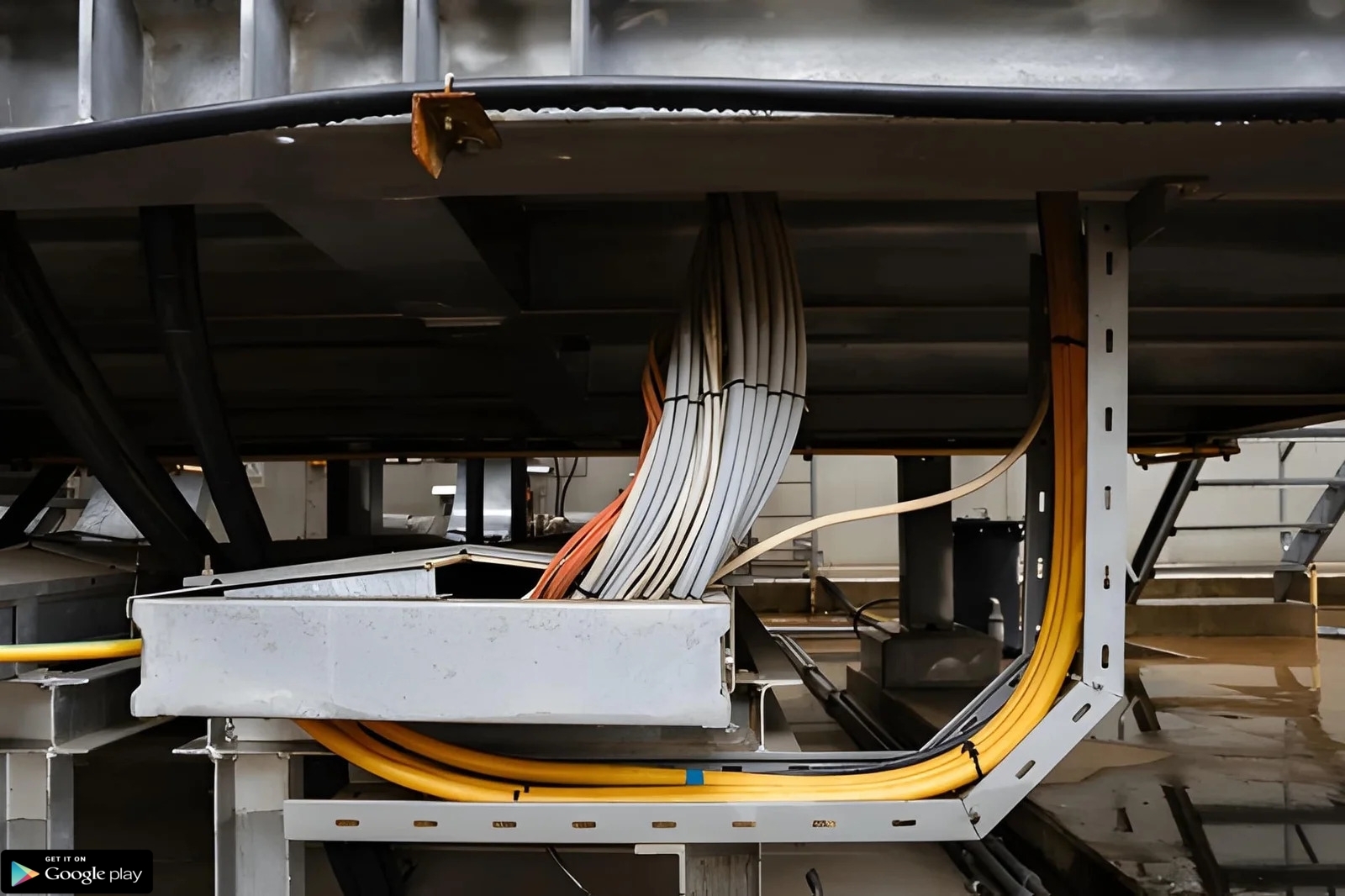


When an instrumentation engineer at a manufacturing plant in Karachi was checking a new control panel, three cable options were sitting on the table: core, pair and triad. The cables looked similar, but the engineer knew they were not interchangeable.
The question was simple: which one should connect each instrument?
This is a common issue in industrial plants. Instrumentation cables carry signals between field instruments, control panels and monitoring systems. Choosing the wrong construction can create signal problems, unwanted interference or difficult troubleshooting.
So, should you use a core, pair or triad? The answer depends on the type of signal, instrument and control system.
What Is an Instrumentation Cable?
Instrumentation cables, also called instrument cables, are designed to carry low level electrical signals used for measurement, monitoring and process control.
Unlike power cables, they are not normally used to deliver electrical power to heavy equipment. Instead, they transmit information from devices such as pressure transmitters, temperature sensors, flow meters and other field instruments.
The cable construction matters because industrial environments can contain motors, transformers and other equipment that generate electromagnetic interference.
What Is a Core Cable Used For?
A core refers to an individual insulated conductor inside a cable. Single core or multicore instrumentation cables can be selected when the signal arrangement requires separate conductors.
A basic core configuration can work for straightforward connections where the circuit does not require a twisted pair or triad arrangement.
For example, individual conductors may be used within a multicore cable to connect different control or instrumentation circuits.
When Does a Core Make Sense?
Core based construction can suit applications where:
- Separate signal conductors are required
- Several independent circuits share one cable
- The system design does not require pair or triad wiring
- The cable needs multiple individually identified conductors
The final construction still depends on the instrument and control system requirements.
Why Are Pair Instrumentation Cables So Common?
A pair contains two insulated conductors that are normally twisted together. This arrangement is widely used for signal transmission because twisting helps reduce the effect of external electrical interference.
Many industrial transmitters use two wire signal loops. A common example is the 4 to 20 mA signal used for process measurement.
A suitable pair cable can carry the signal between the field instrument and the control system while helping maintain signal integrity.
Where Are Pair Cables Used?
Pair construction can be suitable for:
- Pressure transmitters
- Flow transmitters
- Level transmitters
- 4 to 20 mA signals
- Control and monitoring circuits
- Process automation systems
Shielded pair instrumentation cables can offer further protection in environments with electrical noise.
What Is a Triad Instrumentation Cable?
A triad contains three insulated conductors grouped together, often in a twisted arrangement.
This construction is useful when an instrumentation circuit needs three conductors. Certain temperature measurement and control applications can require this arrangement.
For example, some RTD temperature measurement systems use three wires to compensate for resistance in the connecting conductors.
When Is a Triad Better Suited?
A triad may be selected for:
- Three wire RTD circuits
- Specific temperature measurement systems
- Three conductor signal circuits
- Industrial monitoring applications requiring three conductors
The instrument manufacturer's wiring diagram should always be checked before selecting the cable.
Core vs Pair vs Triad: What's the Difference?
|
Cable Construction |
Conductors |
Common Use |
Main Advantage |
|
Core |
1 per core |
Separate circuits |
Flexible circuit arrangement |
|
Pair |
2 |
Transmitters and signal loops |
Suitable for many two wire signals |
|
Triad |
3 |
Three wire instrumentation |
Suitable for three conductor circuits |
The important point is that core, pair and triad describe the conductor arrangement, not simply the overall quality of the cable.
Which Instrumentation Cable Should You Choose?
The best choice starts with the instrument, not the cable shelf.
Before ordering instrument cables, check the instrument's wiring diagram and signal type. A 4 to 20 mA transmitter may need a pair, while a three wire RTD may require a triad.
The installation environment also matters. A cable installed near large motors or power circuits may require shielding to reduce electromagnetic interference.
For industrial projects in Pakistan, engineers should also review temperature, moisture, mechanical protection, cable routing and the conditions inside the plant.
What Other Features Matter Besides Core, Pair and Triad?
Choosing the conductor arrangement is only one part of instrumentation cable selection.
- Shielding: Shielding can help protect sensitive signals from electromagnetic interference. The required shield type depends on the application and control system.
- Insulation: PVC, XLPE and other insulation systems can be used depending on the cable design and installation requirements.
- Armouring: Where mechanical protection is needed, armoured construction can help protect the cable from physical damage.
- Conductor Material: Copper conductors are commonly used in instrumentation applications because of their electrical conductivity and suitability for signal transmission.
What Should Industries Check Before Buying Instrument Cables?
For projects looking for the best electric wires in Pakistan, the cable should be selected according to the actual instrumentation requirements rather than choosing a general purpose cable.
Check these points before purchase:
- Signal type
- Number of conductors
- Core, pair or triad construction
- Shielding requirements
- Conductor size
- Insulation type
- Cable length
- Installation environment
- Mechanical protection
- Compatibility with the control system
Using the correct construction from the beginning can make installation and future troubleshooting much easier.
Why Choose Universal Cables Industries Ltd.?
Universal Cables Industries Ltd. is a leading electric cables manufacturer in Pakistan, serving different electrical and industrial applications. The company has been associated with Pakistan's premium selling copper cables since 1978.
For industries searching for the best cables in Pakistan, cable selection should match the signal type, conductor arrangement, installation environment and project specifications. Universal Cables Industries Ltd. offers cable solutions for industrial electrical applications where correct cable construction matters.
Final Thoughts: Let the Signal Decide
Choosing between a core, pair or triad is not about picking the cable that looks strongest or costs less. The instrument and signal requirements should guide the decision.
A pair can suit many two wire signal applications, while a triad can be useful for three wire circuits such as certain RTD installations. Core based construction can suit systems requiring individual conductors for separate circuits.
For instrumentation projects in Pakistan, check the instrument wiring diagram, signal type, shielding requirements and installation conditions before selecting the cable. A small decision at the planning stage can prevent signal problems later.
FAQs
What is a pair instrumentation cable?
It contains two insulated conductors, usually twisted together, and is commonly used for industrial signal circuits.
What is a triad cable used for?
A triad contains three conductors and can be used for three wire instrumentation circuits, including certain RTD applications.
Are instrumentation cables the same as power cables?
No. Instrumentation cables mainly carry measurement, monitoring and control signals, while power cables carry electrical power.
Why are instrumentation cables shielded?
Shielding can help reduce electromagnetic interference affecting sensitive industrial signals.
How do I choose between pair and triad?
Check the instrument's wiring diagram and signal requirements. Two wire circuits commonly use pairs, while three wire circuits may require triads.
Disclaimer: This article is for general educational purposes. Instrumentation cable selection, installation, termination, shielding and grounding should follow applicable standards, manufacturer instructions and project requirements and should be handled by qualified professionals.
Visit here for more informative blogs

Blogs


Albums

